What Is an Operating System?
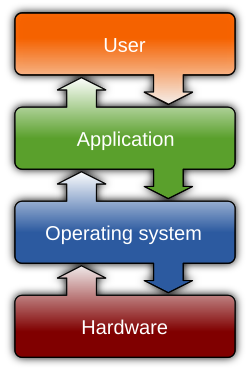
An operating system acts as an intermediary between the user of a computer and the computer hardware, managing resources so that the system can be used conveniently and efficiently.
Every laptop, phone, server, and smart device runs an operating system. Without an OS, each program would have to talk to the hardware directly and coordinate with other programs by itself, which would make programming a lot more difficult.
The OS sits between software and the hardware it uses: it decides which when and how a program can use the CPU, manages the virtual memory that programs use, handles file storage, and translates requests into the low-level commands that hardware can understand.
What the OS Does
- Process management — starts, schedules, and stops the programs competing for the processor.
- Memory management — tracks which parts of memory each program may use and reclaims it when programs finish.
- File systems — organize data into files and folders on storage devices so it can be saved and retrieved.
- Device control — uses drivers to communicate with keyboards, displays, networks, and other peripherals.
- Security — enforces who may read, write, or run each resource on the machine.